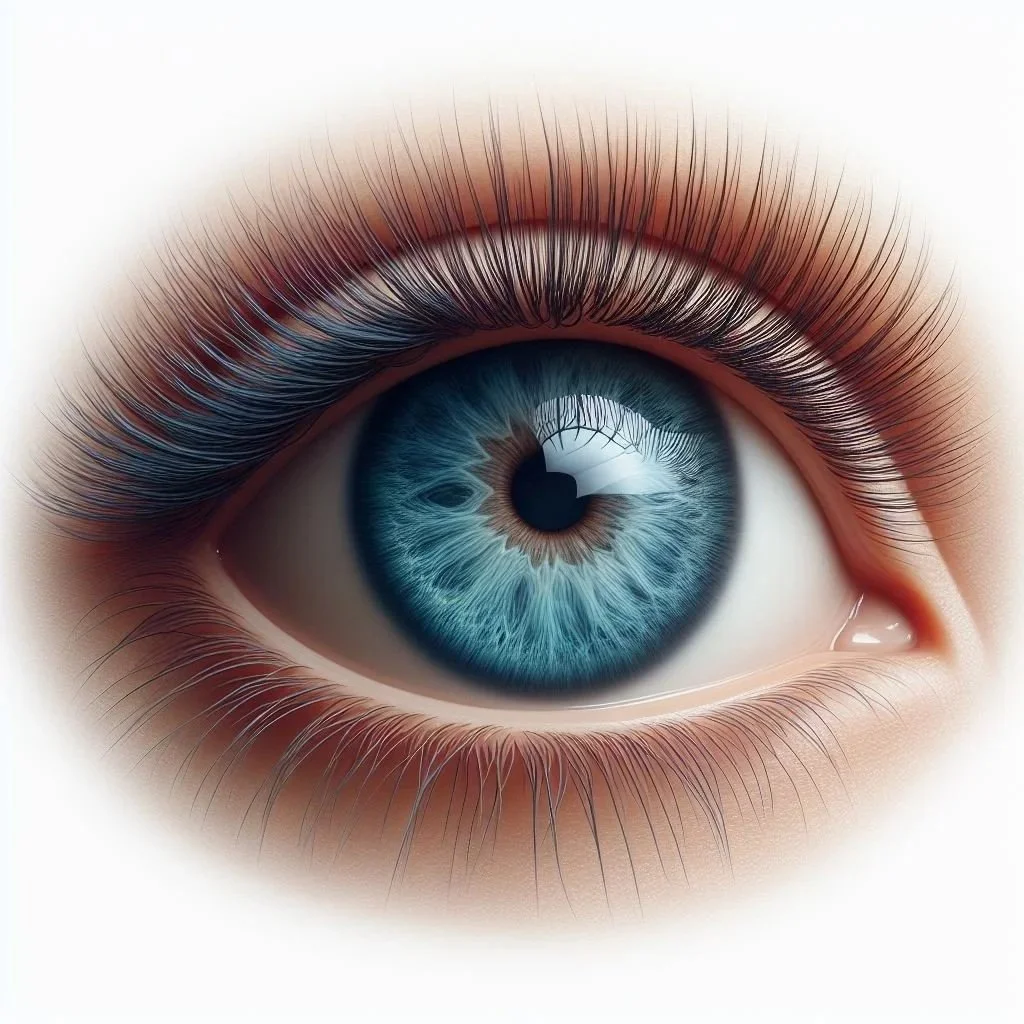
Iridology
Constitutional Iridology - Connecting the Dots.
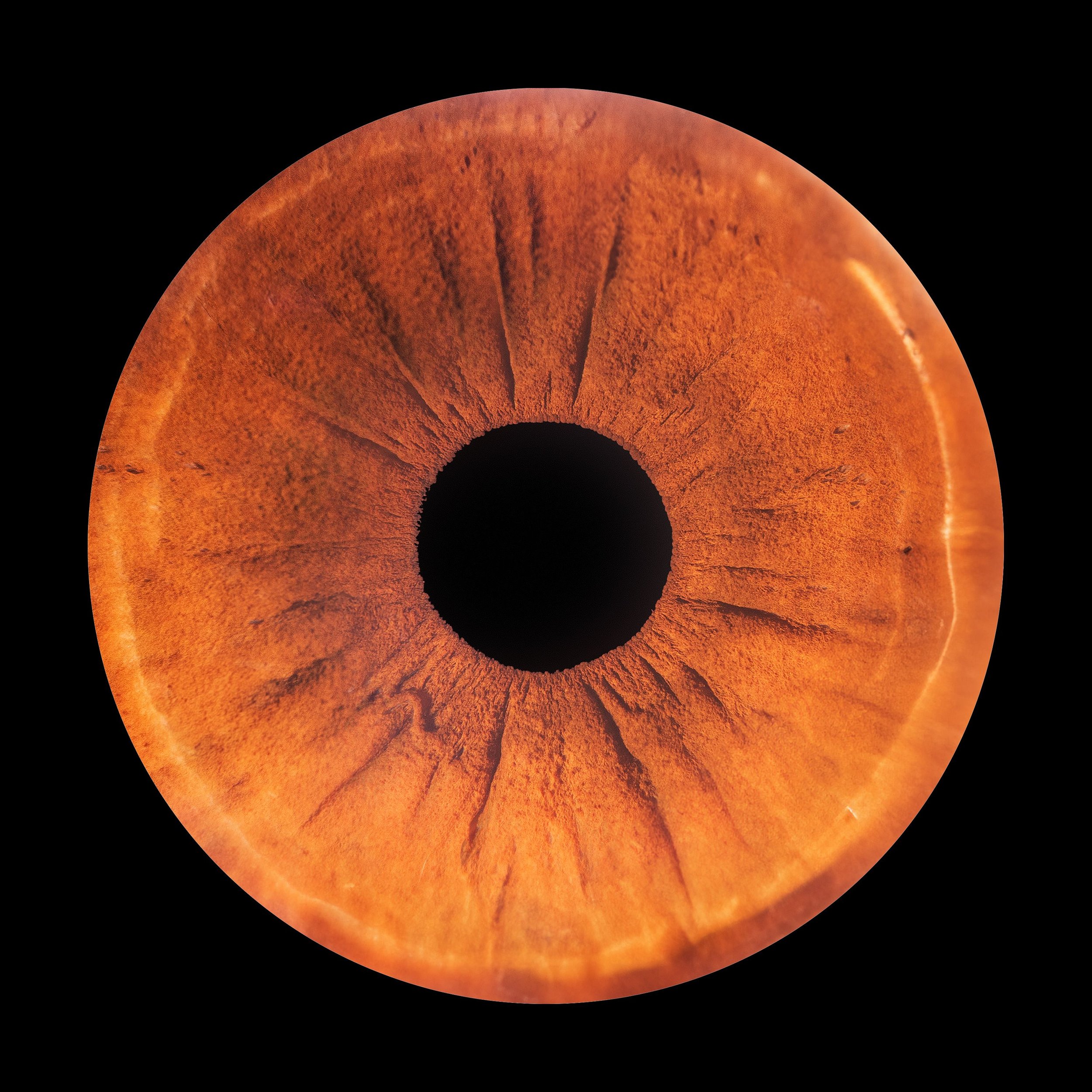
Iridology is a non-invasive assessment tool used to observe the intricate structures, micro-signs, and variations within the iris. Rather than acting as a diagnostic tool for specific diseases, it offers a distinct, time-tested lens into long-standing constitutional tendencies and inherited systemic patterns.
By analysing these structural indicators alongside your current health timeline, we can identify root vulnerabilities and provide targeted, preventative support where your body inherently needs it most. Your eyes are unique to you and therefore tells your personal story - a record of your life.
Iridology has been consistently accurate in the 22 years that I have been using it in clinical practice.
-
What is Iridology? An observational evaluation of the iris, which mirrors the structural integrity and reflex patterns of the body's interconnected biophysical systems.
The Clinical Blueprint: Your iris acts as a unique genetic roadmap. It does not reflect acute changes or temporary symptoms, but rather your underlying constitutional strengths and inherent areas of load.
Clinical Experience: This practice integrates traditional constitutional analysis with modern natural medicine, backed by 23 years of consistent implementation in active clinical practice.
-
High-Resolution Capture: Using an iphone camera, we capture clear, photographs of both irises.
Collaborative Mapping: We review the digital images whilst I explain what your irises are expressing. The photos and my findings are put in a report that is emailed to you.
Integrated Strategy: The findings are not utilized in isolation. They are used to refine and customize your overarching naturopathic framework.
-
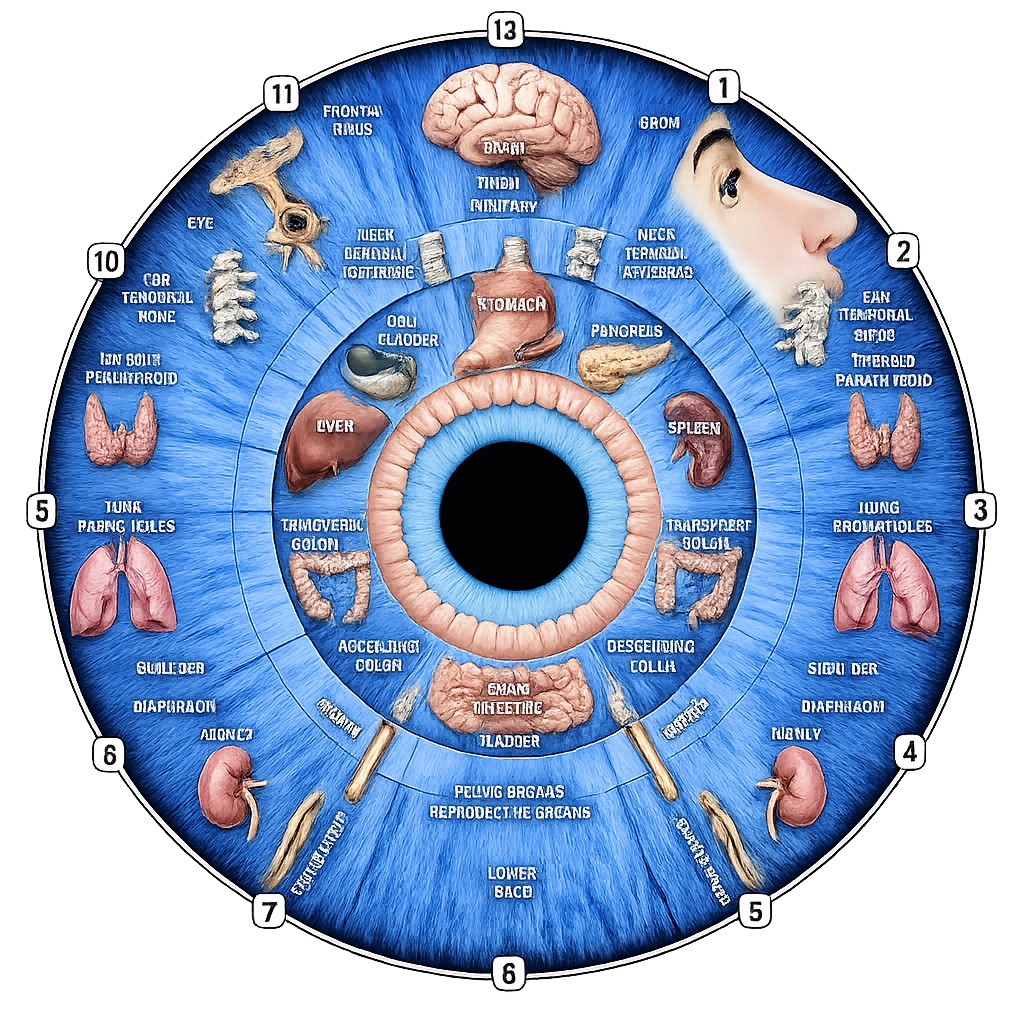
I evaluate the overall state of organs and body systems and correlate what your iris is reflecting with symptoms you are experiencing. The iris reflects a record of your life, it may show past infection, trauma, operations, as well as the state of the GUT, nervous system and lymphatic system.
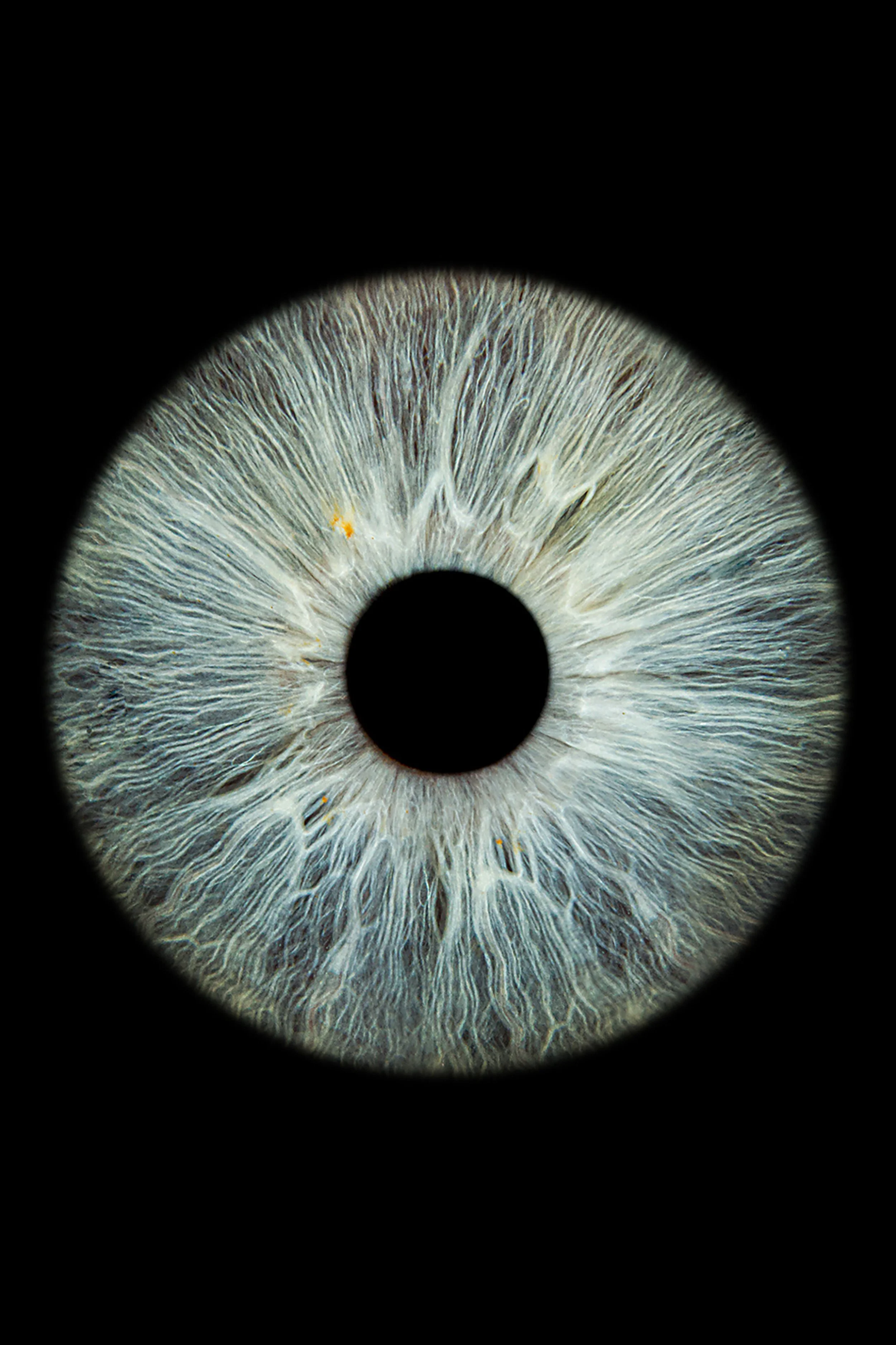
A Few Clinic Examples:
-
A gentleman booked an appointment several years ago and said he had had 2 recent trips in the ambulance with heart fibrillation and yet all the tests and scans were normal. Understandably he was anxious. An in depth consultation revealed he was actually in very good health and not much in his past was a cause for his recent experiences. As soon as I began the iris diagnosis-I had my answer. The one area that showed up like a shining light was his neck. It was literally screaming for attention. I told him my findings and referred him to an Osteopath who confirmed muscular-skeletal issues were at the seat of the problem and after treatment, to my knowledge he had no further episodes.
-
Iridology can identify if the pain in your back is from posture, emotional (e.g the heavy burden you carry), inflammation, lymphatic congestion, arthritis or deterioration of discs, therefore indicating what specific therapy will be best suited.
-
Looking at the iris chart, the nervous system and digestive system are so important because they affect the entire brain and body. Iridology can narrow down, after a consultation, which areas of the body are implicated in the symptoms you are experiencing
-
By linking the obvious signs reflected in your iris, linking the dots becomes an efficient way to pierce together the pieces of the puzzle and to create a targeted treatment plan.